
25 words on a trade quote
Tap a word to read it.
Ways a job gets charged
Day rate£250 decorator
A day rate is the price a tradesperson charges for one working day of labour on your job.
It pays for the person, their tools, their van and their travel.
Materials and VAT sit on top.
Across the 21 trades on this site the benchmark runs from £140 a day for general labourers to £286 for bathroom fitters.
A slow day costs the same as a fast one.
Half day rate
A half day rate is a price for a morning or an afternoon on site, for a job too small to fill a whole day.
Half the money rarely covers it.
The drive, the loading up and the empty other half of the day cost the trade as much as a full day.
So most of a full day's overhead lands on half a day's work.
No guide read for this site prints a half day figure.
Hourly rate£35.71
An hourly rate is a price for each hour on the job, used mostly for short visits, repairs and fault finding.
Our hourly figures are each day rate divided by a 7 hour day, so the £250 decorator benchmark comes to £35.71 an hour.
A one hour job is usually quoted above that.
Travel and a broken day are why.
Price per job
Also called fixed price or job price
A price per job is one figure for the whole piece of work, agreed before it starts, however long the work then takes.
It moves the risk of a slow job from the customer to the tradesperson.
One way to build one is a day rate multiplied by the days the job should take.
Materials go on top, with some room for the days that run long.
Price per square metre
Also called price per m2
A price per square metre is a rate for each square metre of wall, floor or ceiling covered, common in tiling, plastering and flooring.
It suits work where the area decides the time.
Check the measurement before comparing two quotes priced this way.
Twelve square metres and fifteen are different jobs.
Price work
Also called piece work
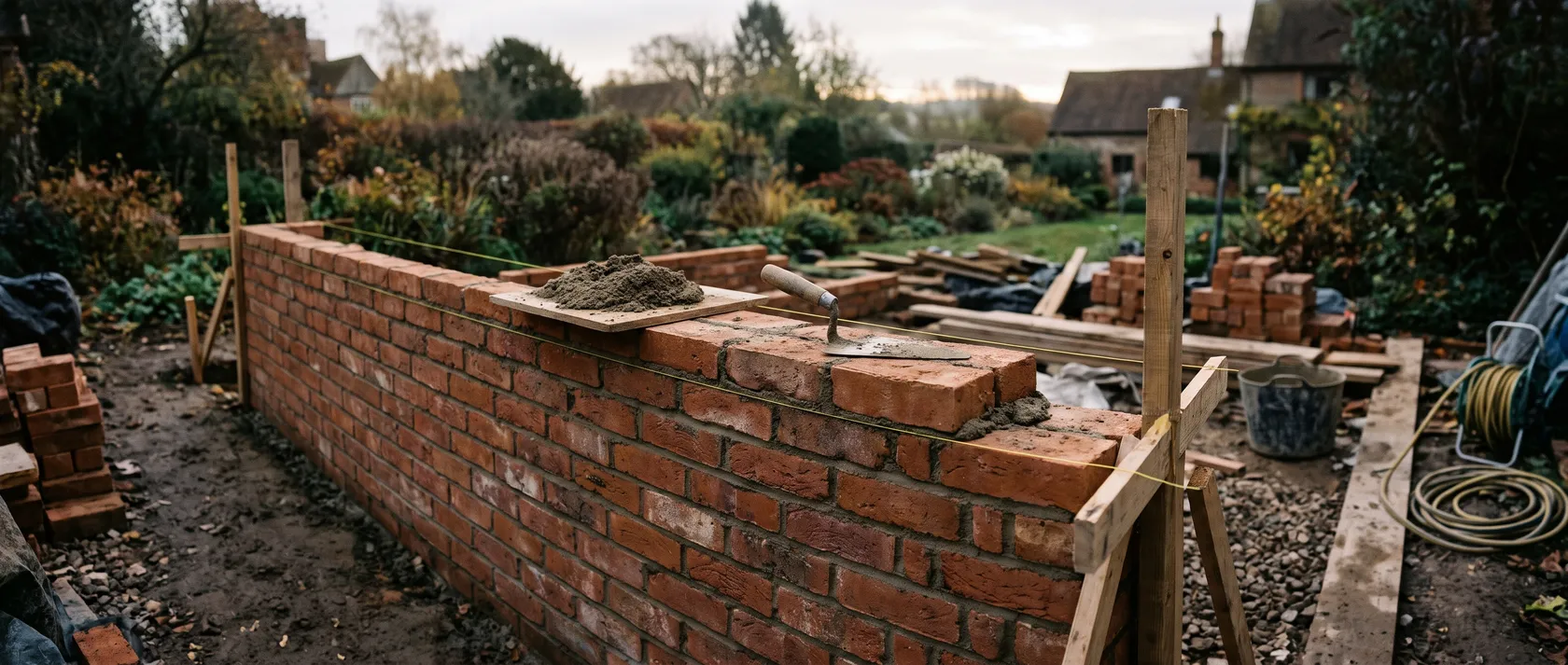
Price work is pay by the amount of work done, such as per thousand bricks or per metre laid, rather than by the hour or the day.
It is common between a contractor and a bricklaying gang.
Fast gangs beat their day rate on it.
Slow ones fall short, and the contractor pays the same for the wall whichever gang builds it.
That is the appeal of price work to the person paying.
Dayworks
Also called daywork
Dayworks is extra work paid for on the labour, materials and plant, meaning hired machinery, that it uses, instead of at a price agreed in advance.
It pays for work nobody could price at the quote, like rot found behind a wall.
A contract can value it against the Definition of Prime Cost of Daywork from RICS, the Royal Institution of Chartered Surveyors.
That fixes what counts as the cost of labour, materials and plant, and the contract then adds an agreed percentage to each.
Daily sheets back it up.
They list the hours and the materials, and get signed as the work goes.
Call out charge
Also called call out fee
A call out charge is a fee for coming to the job at all, charged before the work starts or on top of it.
According to MyBuilder, it covers travel time, fuel and a first look at the problem, even if nothing gets repaired.
Named guides published a call out figure for five of the 21 trades here when read on 18 October 2026.
Ask what it buys.
What a price does and does not include

Labour only
Labour only means the price covers the work and nothing else, and the customer buys the materials.
Every day rate on this site is labour only.
Two quotes can look hundreds of pounds apart when one is labour only and the other includes the materials, and both can be fair prices for the same work.
Check which you hold.
Supply and fit
Supply and fit means the tradesperson buys the materials and fits them, and one price covers both.
It saves a trip to the merchant.
The materials part can carry a markup over what the trade paid for them.
So ask how that part is priced before you agree.
Trade price
Also called trade account price
A trade price is what a builders' merchant charges a customer with a trade account, usually below the shelf price the public pays.
That gap is one reason supply and fit can cost less than buying the same materials yourself.
This site prices labour only.
How long the work takes

Working day7 hours
A working day, on this site, is 7 hours on the job, which is our assumption and not a published figure.
Other rate sites use 8 hours.
So one day rate can turn into two hourly figures, depending on whose day you count.
Ask how long a day is before comparing two day rates, since a longer day for the same money is a cheaper rate.
Man hour
Also called labour hour
A man hour is one hour of work by one person, so two people working three hours is six man hours.
Production rates are written in man hours because two people halve the time and leave the labour unchanged.
Divide by the people on site.
The answer is how long the job runs.
Labour constant0.2 hrs a m2
Also called production rate
A labour constant is the time a trade allows for one unit of a task, such as man hours per square metre of wall painted.
According to Methvin's register, updated 21 August 2026, two coats of emulsion on walls take 0.2 man hours a square metre.
In a 7 hour day that is about 35 square metres.
That step is our arithmetic.
Multiply the constant by the area and you have the labour time, the half of a price a day rate leaves out.
Source: Methvin building constants
Reading the figures

Benchmark21 trades
A benchmark, on this site, is the one national day rate published for each trade, labour only.
Each one sits inside its own trade's published spread.
It describes a market.
It is not a rate to copy.
Every benchmark is checked against the guides each quarter, next by 30 December 2026.
Published spread£120 to £400
A published spread is the lowest to the highest day rate that named UK price guides print for one trade.
For decorators it runs from £120 to £400, around a £250 benchmark.
The widest is decorative plasterer, at £150 to £800.
A wide spread means the guides survey different work in different places, so a reader who finds one figure online has read one corner of the market rather than the market.
One trade has no comparable published figure and shows a modelled benchmark instead.
Modelled range£188 to £325
A modelled range is the band printed beside each town rate, running from that rate times 0.75 to that rate times 1.30.
It is arithmetic, and labelled so.
A £250 rate gives a modelled range of £188 to £325.
Town rate35 towns
A town rate is the national benchmark moved up or down for one town, using local earnings and house prices.
It is modelled for 35 UK towns.
For decorators it runs from £200 in Sunderland to £294 in Guildford.
London is not one of them, because no rate model sits behind a London figure.
Median£766.60 a week
A median is the middle value once every figure is put in order, so half sit above it and half below.
One extreme figure moves an average a long way and a median hardly at all.
UK median weekly full time pay was £766.60 in April 2025, the figure each region's earnings are measured against.
No benchmark here is a median of the price guides, and none claims to be.
Going rate£33,400 a year
The going rate is what most people in a trade are charging in an area at the moment.
It also has an official meaning: the Home Office skilled worker going rate is £33,400 a year for painters and decorators and for carpenters.
It is the lowest a sponsor may pay for that job, and a skilled worker visa salary must also clear a separate general threshold.
It is neither a day rate nor an official median wage, though it gets quoted as both.
London weighting
London weighting is an extra allowance an employer pays staff for working in London.
Self employed trades have no formal weighting.
London prices run higher instead, and PriceYourJob puts London at £30 to £80 a day above the North.
MyBuilder puts London and the South East 20 to 40 per cent above the national average.
Source: PriceYourJob
ASHE
Also called Annual Survey of Hours and Earnings
ASHE is the Office for National Statistics survey of what employees are paid, by job and by region.
It counts people on a payroll.
Nobody self employed is in it.
This site uses its regional pay figures to move each benchmark from town to town, and never as a day rate.
Source: ONS, ASHE Table 15
Subcontractor
Also called labour only subcontractor or subbie
A subcontractor is a self employed trade taken on by a builder or contractor to do part of a bigger job.
A labour only subcontractor brings the skills and tools, and the contractor supplies the materials.
Hudson Contract publishes what construction firms pay their subcontractors, as a three year average, October 2023 to September 2026.
That is pay from a firm, and it measures a different thing from the day rate a homeowner is charged.
Source: Hudson Contract
JIB rate£22.70 an hour
A JIB rate is an hourly wage set by the Joint Industry Board for employed electricians in England, Wales and Northern Ireland, graded by skill.
According to the Joint Industry Board, from 5 January 2026 a JIB technician earns £22.70 an hour, with transport provided.
A self employed electrician's £280 benchmark day has to carry the van, the tools and the weeks nobody books, which an employer covers for a JIB grade.
Source: JIB Industrial Determination
Price guide
A price guide is a published page of what a trade costs, written by a directory or quote site such as Checkatrade, MyBuilder or HaMuch.
Each one surveys different work in different places.
Read the table, not the headline.
One guide's headline range for builders once started at a figure its own table gave to labourers.
No word matches that.
Try a shorter word, or pick a group.
Your next step
Your own day rate depends on your own costs.
The Rate Sorted calculator turns the take home you want, your van and your insurance into a day rate you can quote.

Seven of the words, drawn
Four of them sound alike and measure different things.
Put on one decorator scale, the difference between a benchmark, a published spread, a town rate and a modelled range is easier to see than to read.
Read the words: benchmark, published spread, town rate and modelled range.
A town rate is not typed in.
It comes out of two official figures for the town, worked the same way for all 35, and here it is for the dearest and the cheapest.
Guildford South East
Sunderland North East
The bar under each town is its multiplier, with the national 1.000 marked: above it the town pays more than the benchmark, below it less.
Read the words: town rate and median; the full method is on the methodology page.
Time is the other half of a price.
A labour constant, a man hour and a working day are three ways of writing the same hours.
One decorator a 7 hour working day
35 m² of wall, 7 man hours
Two decorators 3.5 hours each
35 m² of wall, the same 7 man hours
5 m² an hour is the constant turned upside down, our arithmetic on the Methvin register.
Read the words: labour constant, man hour and working day.
Common questions
What does day rate mean for a tradesperson?
One full day of their labour, priced before they start.
On this site the benchmarks run from £140 a day for general labourers to £286 for bathroom fitters.
Materials and VAT go on top of whichever figure applies to your job.
How many hours are in a day rate?
No fixed number.
This site assumes 7 hours and says so, while some rate sites use 8.
That turns the same day rate into a lower hourly figure for exactly the same work.
Agree the hours first.
What is the difference between labour only and supply and fit?
Who buys the materials.
With labour only you buy them and pay the trade for the work.
With supply and fit the trade buys them, fits them and puts both on one price.
Is price work the same as a day rate?
No.
Price work pays for what gets done.
A day rate pays for time on site.
On price work a fast bricklayer earns more in a day and a slow one less.
The wall costs the contractor the same either way.
Is a day rate the same as a wage?
No.
A wage is what an employer pays and a day rate is what a customer pays.
So a £250 decorator day also has to cover the van, the tools, the insurance and every day nobody books.
Use these definitions
Any of the 25 definitions can be quoted in an article, a quote or a training note, with a credit and a link back.
Each term has its own anchor, so a link can land on the one word it explains, under CC BY 4.0.